Things To Do
The best plans to enjoy Tulum and its surroundings
Going to the beach is still the main plan
When people think about things to do in Tulum , the beach usually comes to mind first, and honestly, it should. But spending time on the coast here is not as simple as laying down a towel and staying in one place all day. The energy of the shoreline changes depending on where you decide to settle in, and that decision ends up shaping how the rest of your day unfolds.
Some areas feel social and energetic, with music playing from nearby beach clubs, people walking between restaurants, and a constant movement that makes the environment feel alive. Other stretches feel completely different, with fewer visitors, more open sand, and a slower rhythm defined mostly by the sound of waves and wind. Places like Playa Paraíso remain popular for a reason, offering accessible views and enough space to choose your own pace.
Walking further along the shoreline often leads to quieter spots that feel more personal, even if they are only minutes away from busier entrances. Choosing the right part of the beach is less about location and more about mood, and in a destination like Tulum, that emotional alignment can change how you experience the entire day.

Cenotes feel completely different in real life
Cenotes are another essential part of the experience, although actually visiting one feels very different from simply seeing photos online. The temperature of the water, the filtered light, and the natural acoustics of the space create an atmosphere that encourages stillness rather than activity.
Accessible options like Gran Cenote make it easy for first time visitors to explore without complicated planning. Meanwhile, visually distinctive spots such as Cenote Calavera attract travelers who enjoy unique landscapes. For those interested in snorkeling or diving, Cenote Dos Ojos offers expanded underwater visibility that adds another layer to the visit.
Spending time in more than one cenote often reveals how varied they can be. Some feel open and bright, others enclosed and dramatic, and each environment invites a slightly different emotional response that contrasts with the beach atmosphere.

The ruins are more than a quick stop
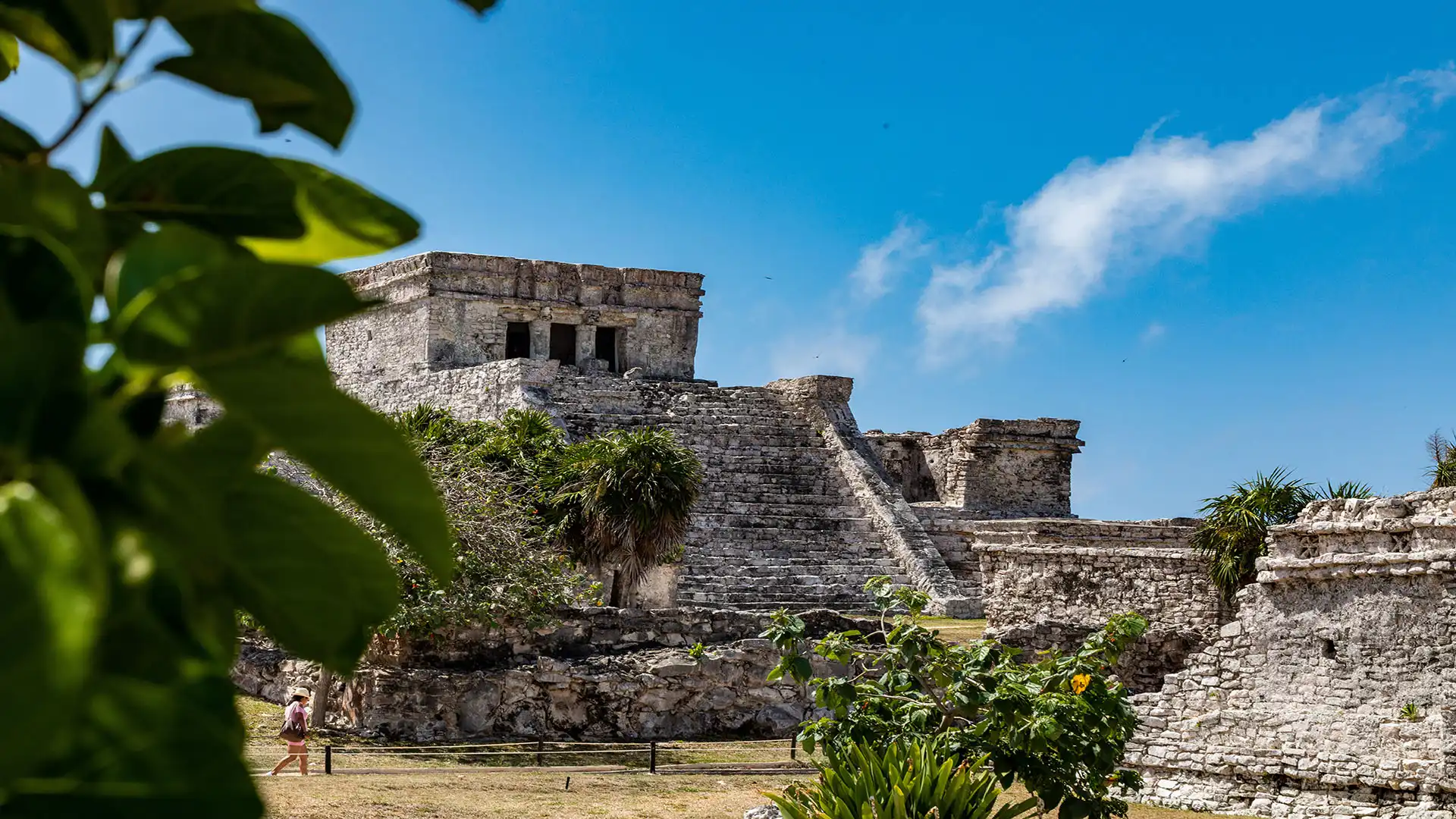
Exploring the Archaeological site of Tulum usually takes less time than travelers expect, but the impact tends to last longer. The contrast between ancient stone structures and the Caribbean coastline creates a visual experience that encourages slower movement through the site.
Morning visits often feel calmer, with softer lighting and fewer crowds, allowing the surrounding landscape to become part of the exploration rather than simply a backdrop. Even visitors who arrive with limited interest in history often find themselves pausing to take in the scenery.
This combination of culture and nature remains one of the most recognizable aspects of the destination, and it continues to shape how travelers remember their time in Tulum long after leaving.
Food is now part of the destination
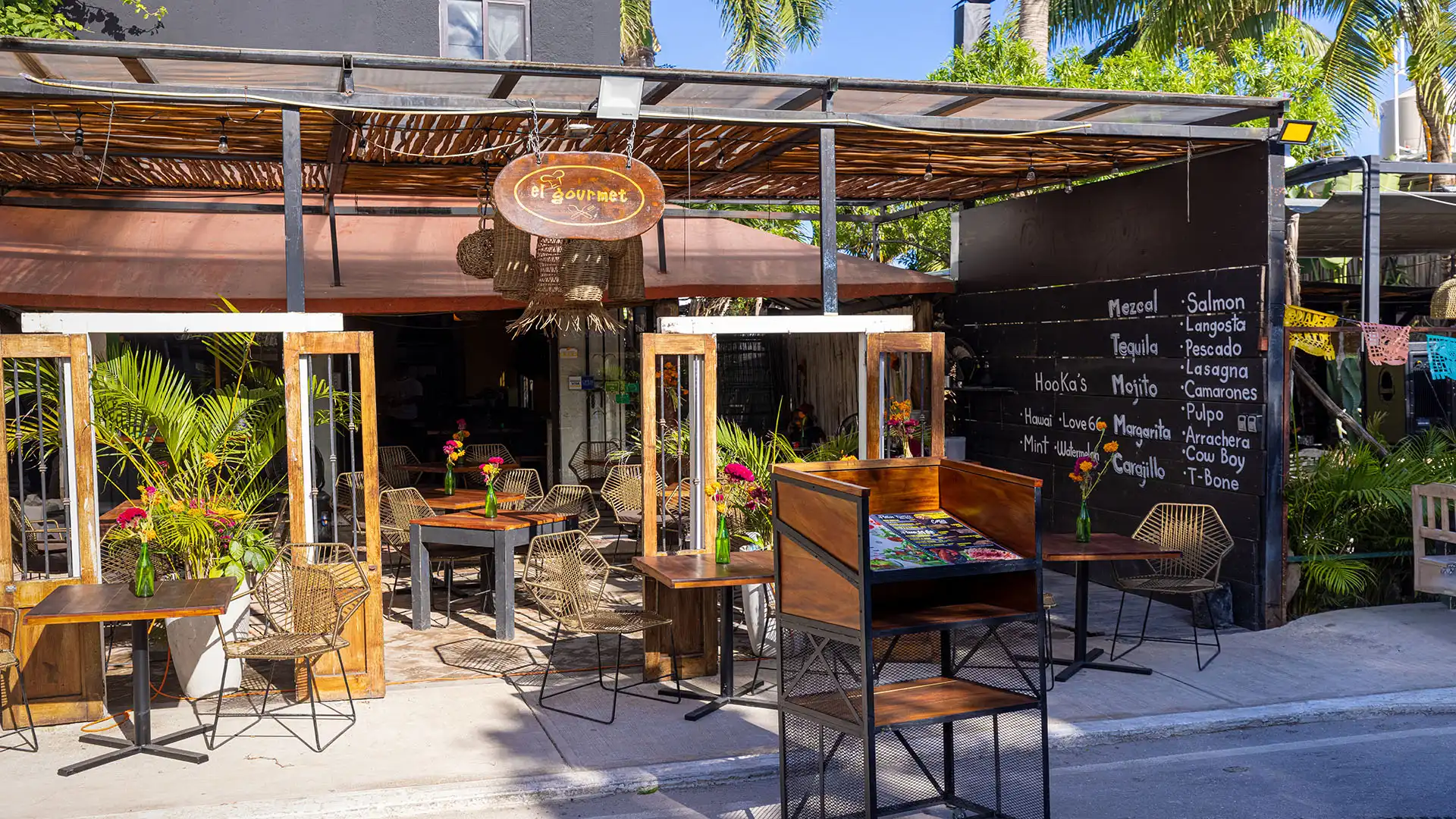
Over the years, food has become an integral part of what defines Tulum as a travel experience. Morning routines might begin at places like Raw Love, where lighter options and open-air seating set the tone for the day. Later, a stop at Taquería Honorio introduces more traditional flavors that reflect regional identity.
Evening plans sometimes shift toward restaurants like Hartwood, which continue attracting visitors looking for elevated dining without losing the relaxed atmosphere associated with the area.
Restaurant concepts evolve frequently here, with chefs arriving, menus changing, and spaces rebranding over time. Still, discovering new places to eat often becomes one of the most memorable parts of the trip.
Exploring by bike changes everything
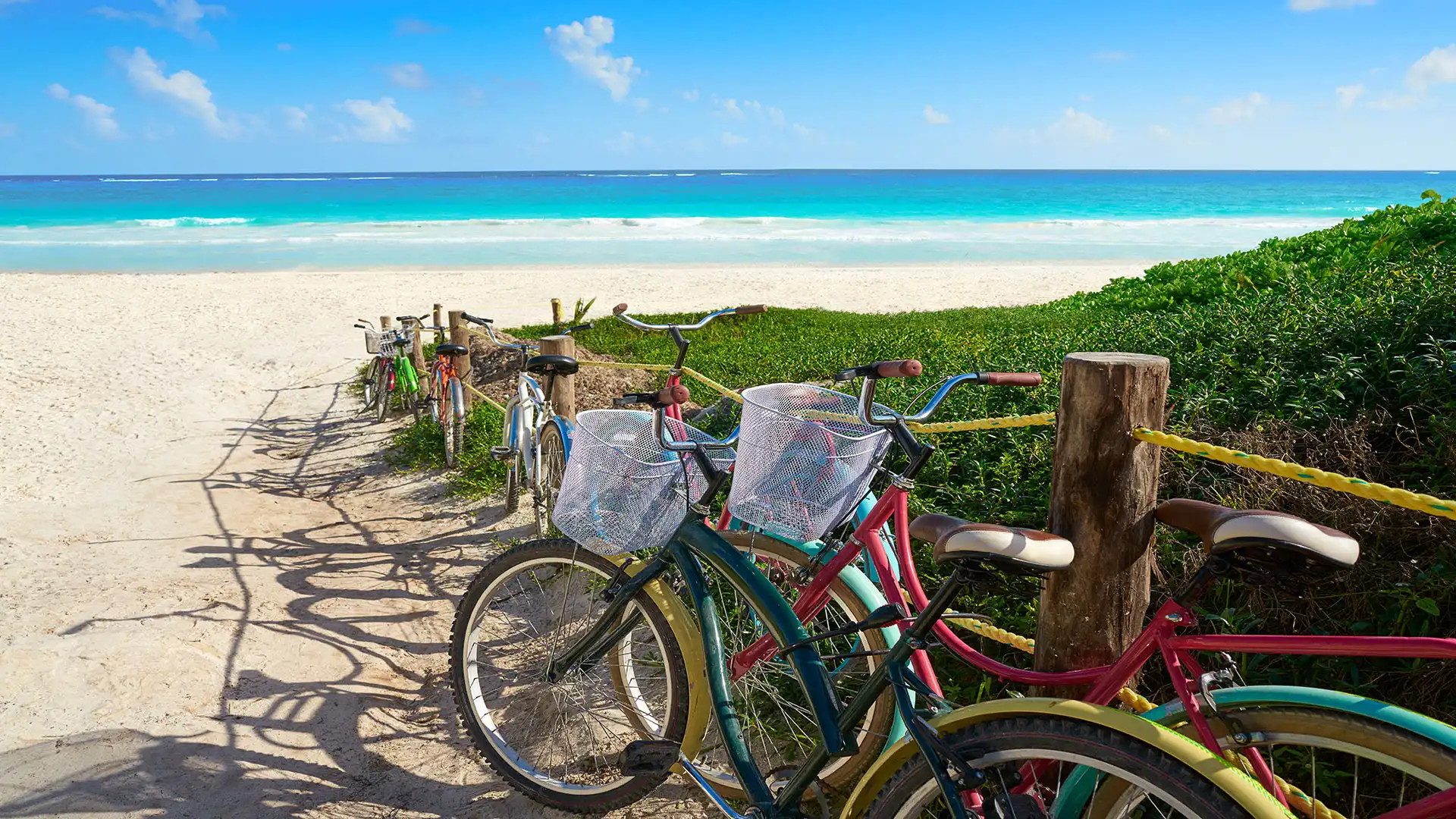
Transportation also influences how travelers experience the destination. Renting a bicycle allows movement without strict scheduling, making it easier to explore the hotel zone organically.
Riding along the main road often leads to spontaneous discoveries such as small cafés, independent boutiques, or art installations that were not part of the original itinerary. These unplanned stops tend to create moments of surprise that structured plans might miss.
This slower pace encourages flexibility and interaction with the environment, allowing the destination to reveal itself gradually instead of all at once.
Beach clubs are not only for hotel guests
Spending time at a beach club does not necessarily require booking a stay within one. Many offer day access through minimum consumption, giving travelers an opportunity to experience beachfront atmosphere without committing to overnight accommodation. This flexibility makes beach clubs accessible to different types of visitors, whether you are staying in town, in the jungle, or even visiting Tulum just for a few days and want to see what the hype is about.
Spaces like Papaya Playa Project combine ocean views with occasional events, while Ahau Tulum often provide a more relaxed daytime environment depending on the season. The experience can shift throughout the day as well. Mornings tend to feel calmer, with more space to enjoy the ocean and settle into a slower rhythm. As the afternoon progresses, music usually becomes more noticeable, conversations grow louder, and the atmosphere gradually turns more social.
Choosing when to go can shape your experience just as much as choosing where to go. Arriving early might mean a quieter setting with softer energy, while later hours can feel more dynamic and interactive. Even short visits can provide insight into this social side of Tulum’s personality. Spending a few hours by the water, ordering something simple, and observing the flow of people often reveals how layered the destination really is, balancing relaxation with movement in a way that feels uniquely its own.
The jungle has its own rhythm
Moving away from the coastline introduces a different environment shaped by greenery and filtered sunlight. Areas such as Parque Nacional Tulum offer trails and natural scenery that contrast with beachfront settings. The shift is often noticeable immediately, as sounds become softer, temperatures feel slightly cooler under tree cover, and the pace of movement changes without effort.
Boutique hotels and wellness-oriented spaces often appear within these inland areas, encouraging a quieter pace that supports reflection and observation. Time spent in these environments frequently feels less structured and more restorative. Travelers might find themselves waking up to birds instead of waves, or spending more time in shaded courtyards, gardens, or open-air lounges designed to blend with the surroundings rather than compete with them.
This inland atmosphere often encourages slower mornings and unplanned afternoons where reading, journaling, or simple rest becomes part of the experience instead of an afterthought. The absence of constant beachfront activity allows guests to disconnect from social pressure and reconnect with routine in a more personal way. Even short periods spent in these environments can influence mood, energy levels, and perception of time, making the destination feel multidimensional rather than limited to its coastline identity.
Wellness has become part of the routine
Yoga classes, meditation sessions, and open-air treatments now form part of the daily rhythm for many visitors. Studios and hotels often provide drop-in sessions that require no previous experience.
Participating in these activities introduces a different definition of travel success, one based more on how travelers feel afterward rather than how many places they visited.
Nightlife depends on your mood
Evenings in Tulum vary widely, allowing travelers to decide how social or calm they want the experience to be. Locations like Gitano blend restaurant and bar environments, while Bonbonniere Tulum often lean toward a more energetic atmosphere. This flexibility makes it possible to adjust plans based on energy levels rather than fixed expectations.
Some nights start with dinner and naturally turn into drinks without anyone really planning for it. Other evenings stay simple, maybe just a relaxed meal, a walk under dim lights, and an early return to your hotel. The atmosphere can shift depending on the season, the day of the week, or even the crowd that happens to be in town.
You are not locked into one version of nightlife here. You can choose music and movement, or conversation and slower moments. That freedom is part of what defines nights in Tulum, giving each traveler space to shape the experience in a way that feels personal instead of predictable.
Tulum keeps evolving
Hospitality concepts continue shifting as sustainability practices expand and architectural experimentation grows. Travelers who remain flexible usually adapt better to these changes. Viewing experiences as examples rather than permanent definitions helps maintain curiosity and openness throughout the trip. In a place that changes constantly, allowing the experience to unfold naturally often leads to more meaningful memories.
This is especially true when it comes to how people plan their stay and daily activities. Something that looked like the perfect plan weeks before arriving might feel different once you are actually here. A restaurant you thought would be a quick stop turns into a long dinner. A short visit to the beach becomes an entire afternoon. A quick ride through town leads you somewhere you were not expecting to find.
Tulum rewards that kind of flexibility. Instead of sticking too closely to schedules, travelers who leave room for change often end up discovering places that never showed up in their original search for things to do in Tulum. These spontaneous moments tend to feel more personal because they were not part of a recommendation list or trending online guide.
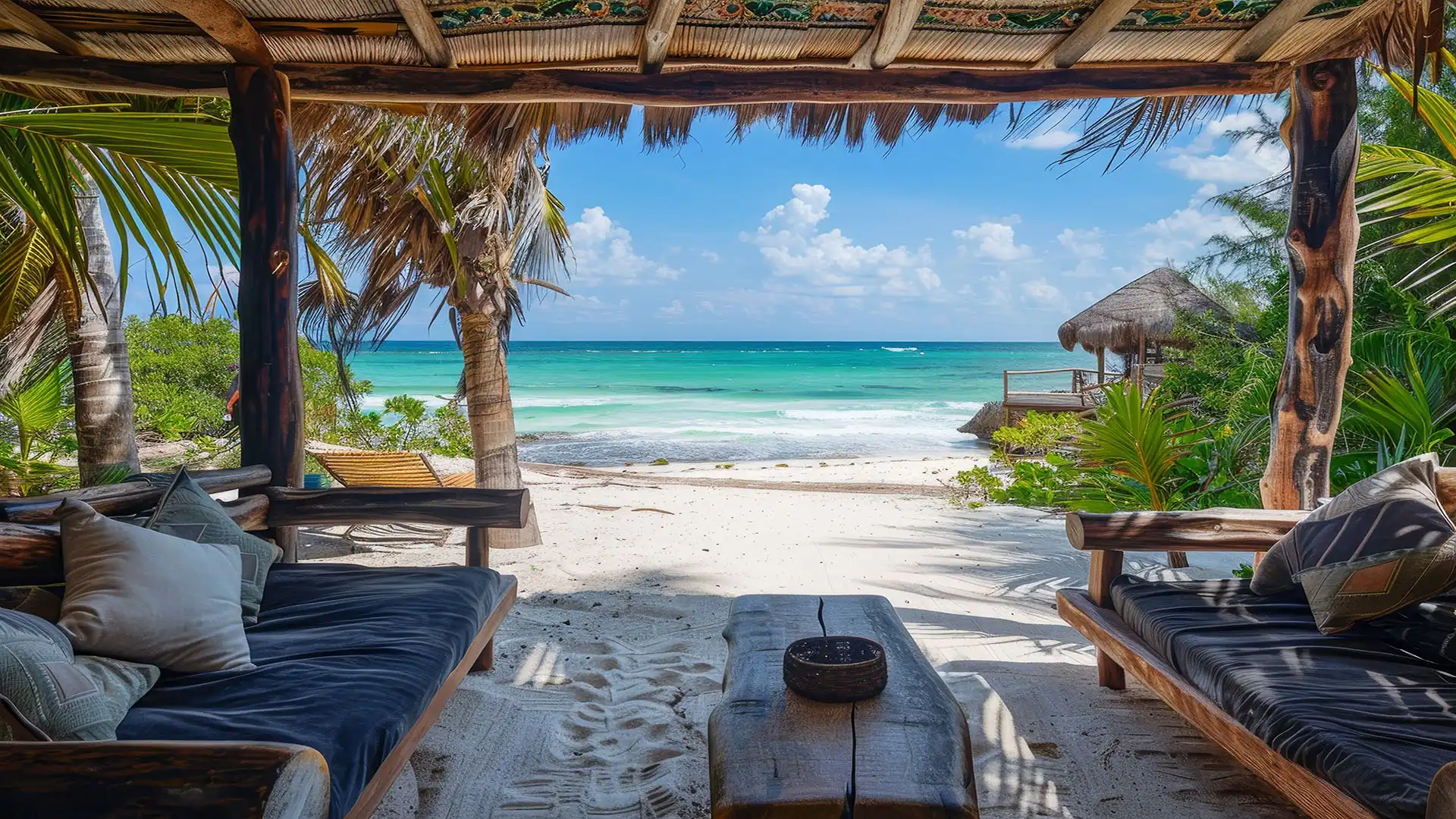
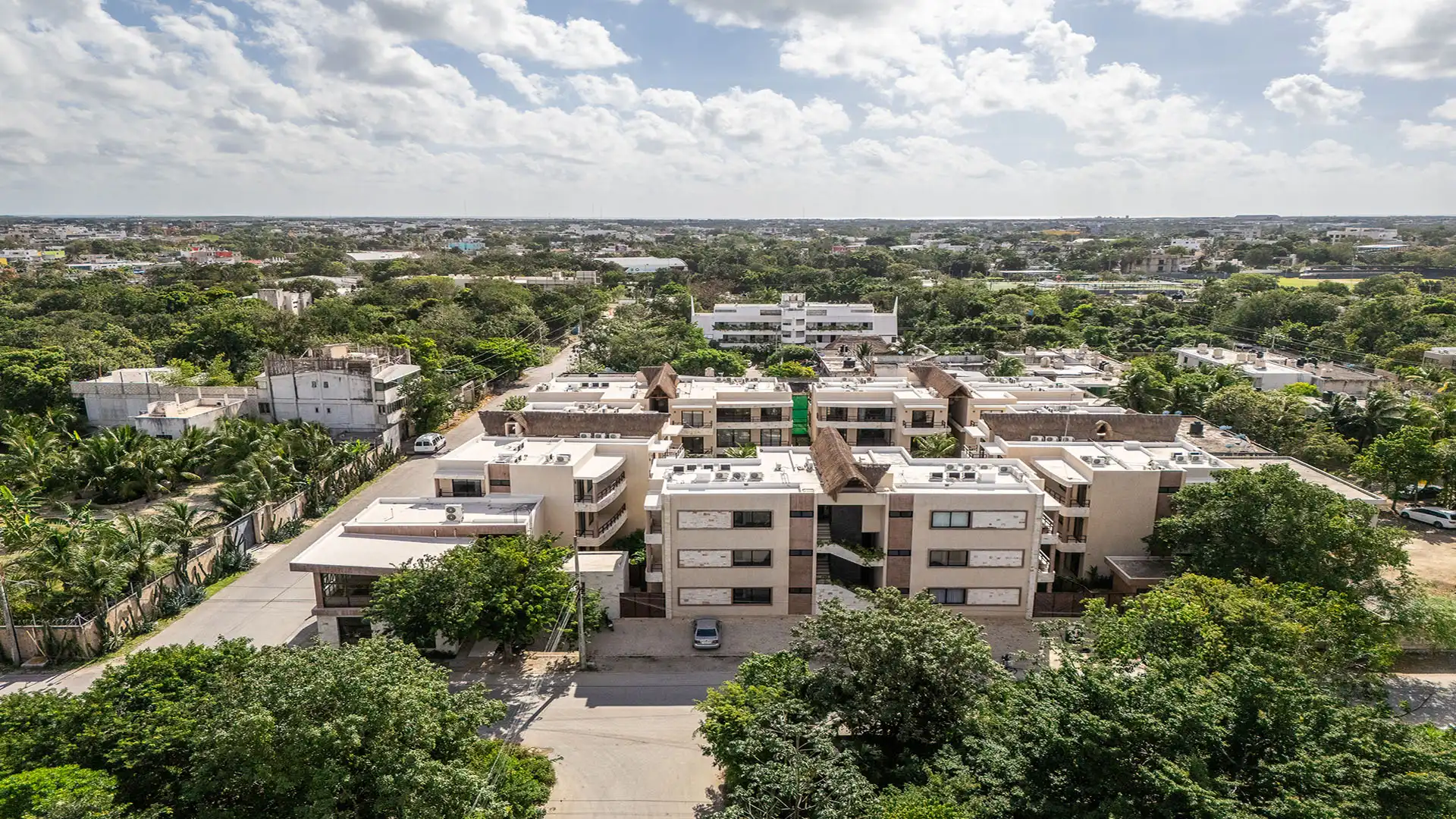
Even accommodations and nearby areas can shape these decisions. Staying closer to town might encourage exploring local cafés and art spaces, while beachfront environments might inspire longer mornings by the water before heading out anywhere else. Jungle surroundings can introduce a completely different pace that changes how you structure the rest of your day.
Letting plans adjust naturally to your surroundings allows the destination to guide your experience rather than the other way around. In the long run, this usually creates memories that feel more authentic, less rushed, and far more connected to the atmosphere that makes Tulum unique.
Tulum keeps evolving
When people search for things to do in Tulum, they usually expect a list. Go to the beach. Visit a cenote. Try local food. Maybe rent a bike and explore town. And yes, all of that is part of the experience. But once you actually arrive, you start to notice that the best things to do in Tulum are not always the ones you planned in advance.
Sometimes it is the cenote you found on the way back from lunch. Sometimes it is the beach you reached just by walking a little further down the shore. Sometimes it is standing at the Tulum Ruins looking out at the Caribbean and realizing how different this place feels from anywhere else you have visited.
That is what makes planning activities in Tulum a little different from planning trips to other destinations. You are not just choosing tours or attractions. You are choosing environments. The beach feels open and social. The jungle feels slower and quieter. Town feels active, creative, and flexible. Even moving between them during the same day can completely change your mood.
Some of the most popular things to do in Tulum include swimming in cenotes, visiting the ruins, biking through the hotel zone, exploring beach clubs, or trying different restaurants in town. But what makes those activities memorable is not just the place itself. It is how they fit into your day naturally.
You might start the morning exploring archaeological sites, spend the afternoon in the ocean, and end the evening somewhere new to eat that you were not even planning to visit. These small changes often become the moments people remember most when they think back on their trip.
Things to do in Tulum are not really about doing as much as possible. They are about choosing experiences that match how you want your day to feel. Some travelers want movement and social energy. Others want calm and slower surroundings. Most end up finding a balance between both without trying too hard.
You may come here planning to see everything. But what usually happens is you begin paying more attention to how each activity feels instead of how many you complete. And that shift tends to make the entire trip more meaningful.
Because in the end, the places you visit in Tulum matter. But how you experience them matters even more.

