Hotels
Where you stay shapes your trip
Looking for hotels in Tulum sounds simple until you actually start searching. Then something becomes clear very quickly. This is not a destination where you just book a room and move on. Where you stay affects how you wake up, how you explore, how you move through the day, and even how you remember the trip later.
Tulum is constantly evolving. Hotels change concepts. Spaces redesign. New ideas appear while others disappear or transform. That is why treating accommodation as a fixed ranked list rarely works here. A smarter approach is understanding styles of stays and the experiences they create, using real hotels as examples rather than final answers.
When travelers shift their mindset in this way, booking becomes more intentional. Instead of chasing popularity or star ratings, they begin selecting environments that align with how they want to feel. And in a destination as atmospheric as Tulum, that alignment matters more than people expect.
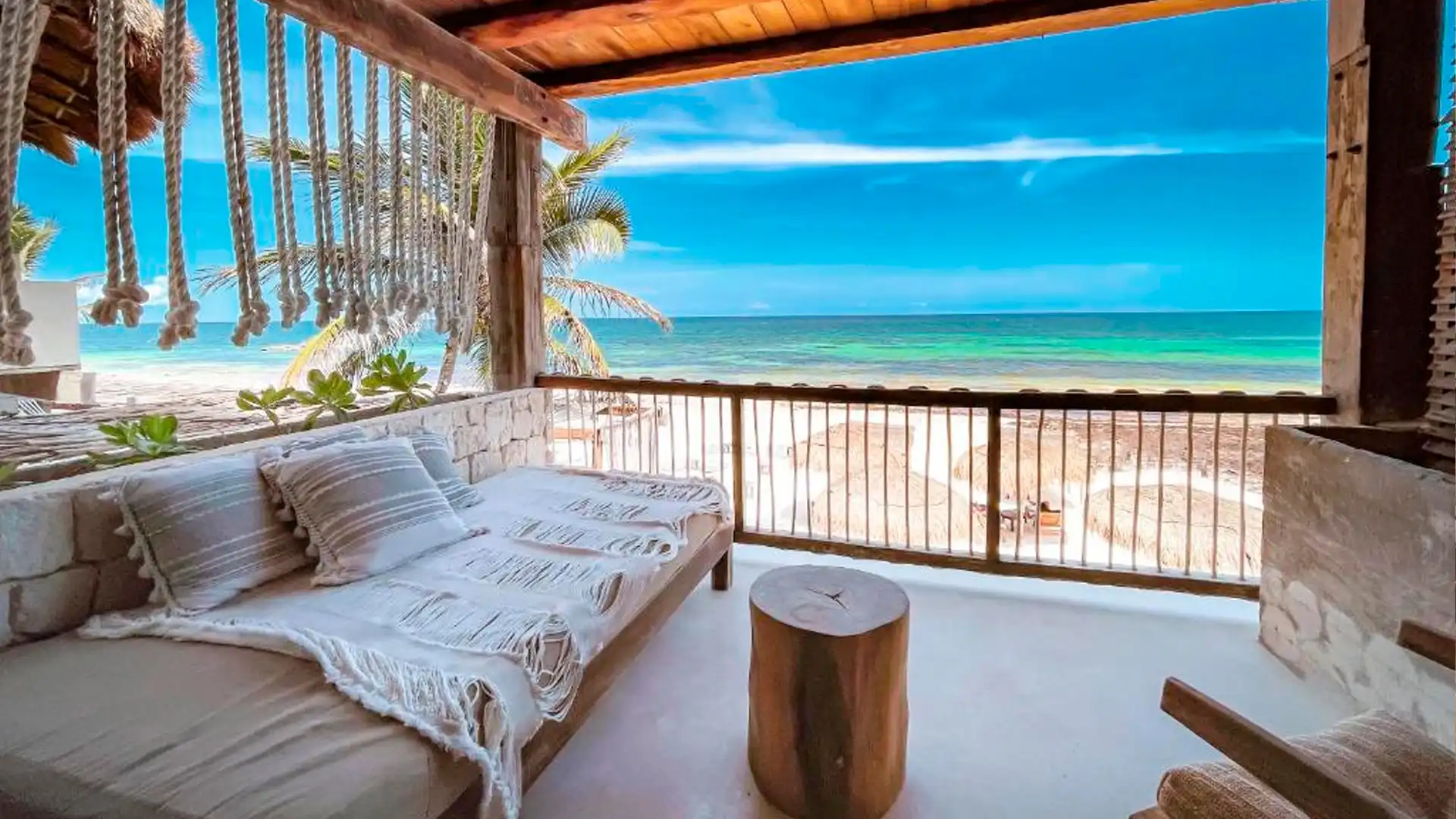
Another important thing travelers rarely consider is how much the surrounding environment influences daily energy levels. This destination behaves differently depending on where you position yourself within it. A beachfront location encourages sunrise walks, ocean air mornings, and long slow meals outdoors. A town centered stay creates spontaneous movement, café stops, and flexible schedules shaped by discovery.

The difference is not small. It changes emotional rhythm. It shifts perception of time. Many repeat visitors intentionally choose new areas each trip because they want to experience entirely different versions of the same destination.
Accommodation also influences transportation behavior. Some guests adopt bicycles and explore organically. Others rely on rides for efficiency. Staying inland might mean planning outings differently, building anticipation before reaching the coast. These logistical shifts may seem minor, but they play a large role in shaping travel memory.
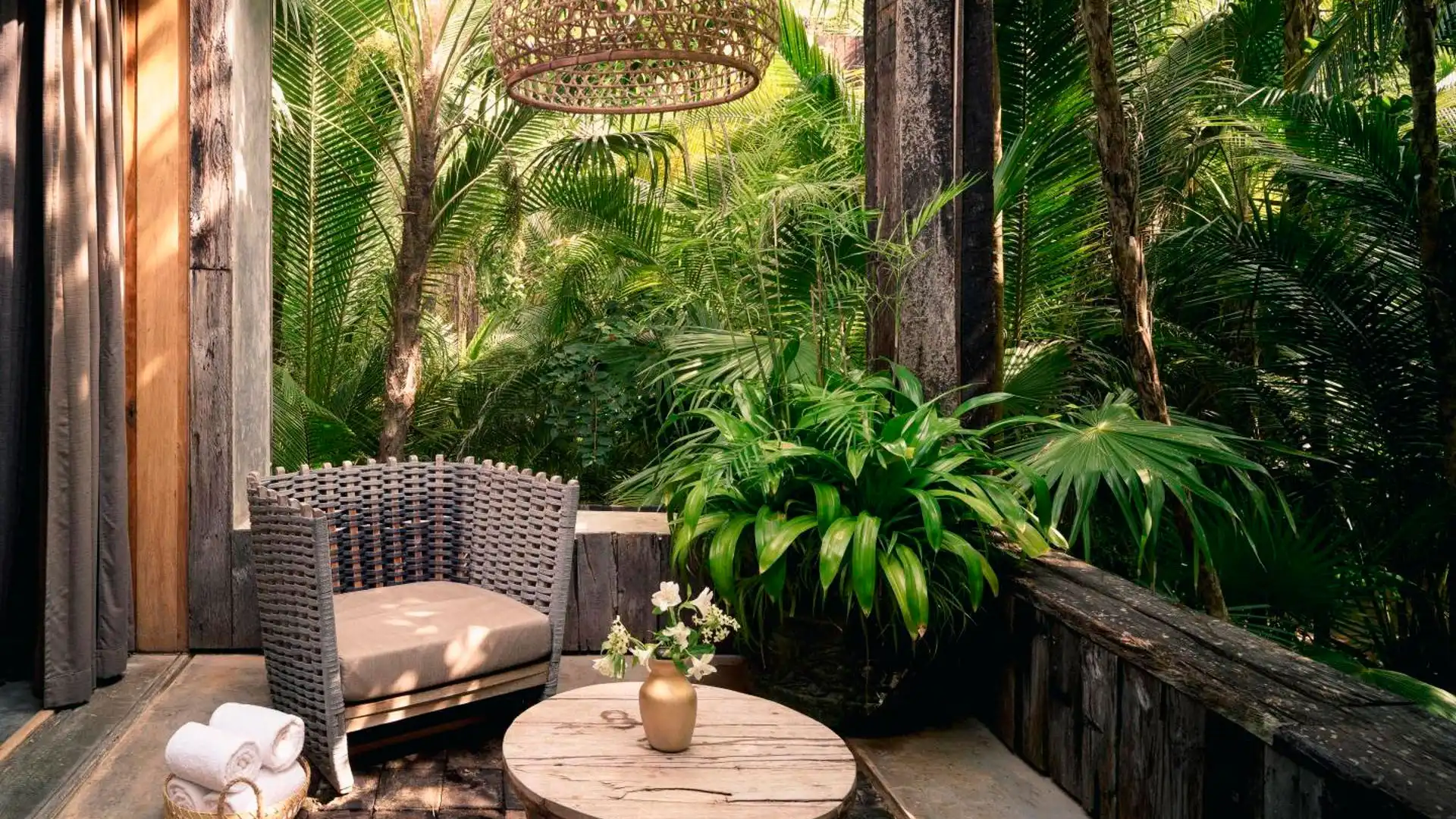
Sound, light, and atmosphere shift as well. Beachfront stays surround guests with waves and open horizon brightness. Jungle settings offer layered natural sound and filtered sunlight. Town environments bring human energy and nightlife tones. These sensory differences create emotional anchors that linger long after departure.
Even access to food becomes part of identity. Some hotels prioritize onsite culinary immersion while others place travelers within reach of diverse independent dining. What guests eat, and how they access it, contributes to how they interpret their time in Tulum.
Understanding this foundation sets the stage for exploring different hospitality styles within the destination.

When the hotel feels like another world
Some travelers seek total immersion. They want environments that feel separate from routine and expectation. Hotels designed around atmosphere and architecture often provide that shift, allowing guests to disconnect from familiar patterns, slow their pace, and engage more deeply with surroundings that feel intentionally different from everyday life.
A place like Azulik represents this mindset. Its organic structures and textured design aim to create emotional response rather than standard convenience. Guests frequently describe the stay as experiential rather than transactional.
Similarly, Nomade Tulum emphasizes connection, mindfulness, and community oriented energy. The environment encourages presence and interaction. Visitors often find themselves participating in experiences rather than simply observing surroundings.
Our Habitas Tulum offers another version of immersion focused on shared connection. Programming, atmosphere, and layout encourage engagement between travelers. Social interaction becomes part of the environment.
These properties demonstrate how hospitality can function as emotional transportation. They create memories tied to feeling rather than amenities.
Stays like these often reshape daily behavior. Guests spend more time exploring within the property itself. They notice architectural details. They engage with programming. The environment becomes an activity. This deepens connection and often results in slower, more reflective travel pacing.

Boutique beach energy without overthinking It
Many travelers want beachfront access combined with comfort and aesthetic appeal without diving into conceptual immersion. Boutique beachfront hotels serve that balance.
The Beach Tulum reflects a straightforward ocean centered stay that prioritizes relaxation and accessibility. Guests enjoy direct proximity to water without sacrificing comfort.
La Valise Tulum presents a smaller, more intimate experience where details shape memory. Travelers seeking personalization and atmosphere often appreciate this approach.
Mi Amor Hotel offers scenic positioning and adult oriented calm. Romantic ambiance and visual impact create a different type of experience focused on mood and intimacy.
These properties illustrate how beachfront hospitality can blend design and ease. Guests spend time moving between relaxation and exploration without overthinking structure.
Staying in this category often encourages natural rhythm formation. Ocean proximity shapes mornings. Afternoon breaks revolve around environment. Evenings tend to unfold organically without heavy planning. This effortless flow appeals to travelers wanting comfort and atmosphere combined.

Creative, artistic, and personality driven stays
Some hotels operate as creative expressions rather than traditional lodging. These environments attract travelers who enjoy visual storytelling and identity driven spaces.
Casa Malca demonstrates how artistic presence can shape hospitality atmosphere. The integration of visual elements creates memorable spatial identity.
Kanan Tulum presents architecture that leans expressive and distinctive. Travelers drawn to unique structural environments often gravitate here.
Creative properties encourage exploration within the space itself. Guests notice textures, layout choices, and visual composition. Photography, conversation, and curiosity become part of the stay experience.
These environments also attract travelers interested in inspiration. The surroundings stimulate creativity and perception, allowing accommodation to contribute actively to the emotional narrative of the trip.

Jungle calm and design driven minimalism
Moving away from the coast introduces another dimension of hospitality shaped by greenery and quieter atmosphere, where slower surroundings encourage reflection, mornings feel softer, and travelers often reconnect with routine, creativity, or rest without the constant pull of beachside activity.
Hotel Bardo emphasizes privacy and calm within intentional spatial design. Guests often describe the environment as restorative.
Layla Tulum balances town connectivity with boutique style. Walkability and access encourage exploration while still providing comfortable retreat.
Jungle or inland stays often foster introspection. Reduced external stimulation invites guests to slow down and observe surroundings differently. Time becomes less structured and more experiential.
This environment encourages reading, journaling, conversation, or simple observation. Guests frequently leave feeling mentally reset rather than merely entertained.

Wellness focused and lifestyle driven spaces
Sanará Tulum aligns accommodation with physical and mental balance. Yoga and restorative practices shape guest routines.
Amansala integrates structured wellness programming within beachfront context, attracting travelers seeking intentional renewal.
These spaces demonstrate how hospitality can guide personal rhythm. Guests often adopt healthier patterns during their stay and carry elements of those routines home.
Wellness environments also reshape perception of travel success. Instead of measuring value through activities completed, visitors focus on how they feel afterward. This emotional metric often becomes more meaningful.
Choosing the right stay matters more than choosing the right room
Selecting accommodation based solely on ratings or cost often overlooks emotional compatibility. Alignment between personality and environment drives satisfaction. Travelers seeking quiet may struggle within social environments. Explorers may feel confined in isolated retreats. Recognizing personal preference before booking prevents mismatch. This awareness transforms accommodation from logistical necessity into experiential foundation.
When people start thinking beyond square footage or bed type, they begin noticing details that truly shape experience. Natural light, surrounding sound, proximity to movement, or access to stillness all influence mood throughout the day. These elements rarely appear in booking filters, yet they often determine whether a stay feels energizing or draining. A traveler who wakes easily to noise may benefit from secluded environments, while someone energized by activity might thrive in vibrant social settings.
Daily rhythm also plays a major role. Some travelers naturally start early and prefer access to sunrise views, outdoor spaces, or quiet surroundings before the day becomes active. Others ease into mornings slowly and appreciate locations where services, cafés, or cultural activity remain accessible later. Choosing a stay aligned with personal rhythm prevents friction and allows energy to flow naturally rather than constantly adjusting to surroundings.
Expectations shaped by previous travel experiences deserve reflection as well. Returning visitors sometimes book similar accommodations out of habit, not realizing their preferences have evolved. Growth, lifestyle changes, or shifting priorities may alter what feels comfortable or inspiring. Reassessing expectations ensures each trip reflects current needs rather than past patterns.
Social comfort represents another overlooked factor. Some environments encourage interaction among guests through shared spaces, communal activities, or programming. These settings can feel vibrant and stimulating for certain personalities. Others may find constant interaction exhausting and prefer environments designed around privacy and independence. Understanding how much social energy feels comfortable prevents subtle fatigue during travel.
Technology boundaries influence experience too. Connectivity expectations vary widely. Some travelers require strong digital access for professional responsibilities or communication. Others intentionally reduce screen exposure while away. Selecting accommodation that supports preferred connectivity levels removes frustration and supports intentional travel mindset.
Length of stay adds another layer of decision making. What works for a weekend may not support a longer visit. Extended stays introduce routine elements such as workspace comfort, storage, or environmental stability that short visits may not require. Considering duration alongside emotional preference ensures long term comfort rather than short term novelty.
Wellness has become part of the routine
Yoga classes, meditation sessions, and open-air treatments now form part of the daily rhythm for many visitors. Studios and hotels often provide drop-in sessions that require no previous experience.
Participating in these activities introduces a different definition of travel success, one based more on how travelers feel afterward rather than how many places they visited.

Physical environment interactions should not be underestimated. Layout flow, available space for movement, and ease of navigation affect subconscious comfort. Even temperature regulation, airflow, and lighting warmth influence relaxation. Travelers may not consciously evaluate these elements during booking, yet they significantly impact rest and recovery between explorations.
Personal intention ultimately anchors the entire process. Some trips focus on exploration, others on restoration, creativity, connection, or reflection. Accommodation that supports that intention amplifies the purpose of travel. A mismatch may not ruin a trip, but alignment elevates it into something cohesive and memorable.
Recognizing this transforms decision making. Booking stops being about comparison and becomes about alignment. The chosen environment becomes a collaborator in the travel experience rather than just a background setting. When travelers adopt this perspective, even simple accommodations gain meaning through intentional selection.
Ultimately, choosing the right stay shapes emotional response long before the first activity begins. It influences anticipation, arrival, daily flow, and reflection afterward. The room itself may be small in scale, but the environment surrounding it contributes to the entire narrative of the journey. And that narrative is what travelers carry with them long after checkout.

The reality of a destination that keeps evolving
Hospitality in Tulum continues transforming. Concepts shift, sustainability grows, architecture experiments expand. Visitors who embrace flexibility consistently adapt better to change. Viewing hotels as examples rather than permanent definitions protects travel expectations and supports ongoing curiosity.
Part of what makes this destination unique is its willingness to reinvent itself. Spaces that once focused purely on design may evolve toward wellness. Properties built around nightlife energy may later prioritize calm or community engagement. Renovations, rebranding, and temporary closures are normal parts of the local hospitality cycle rather than exceptions. Travelers who understand this dynamic approach booking with curiosity instead of rigidity.
Environmental awareness also contributes to this evolution. As sustainability practices become more integrated into development, hotels experiment with materials, energy use, and spatial planning. Guests might notice subtle shifts such as reduced plastic presence, natural ventilation strategies, or architectural integration with surrounding landscapes. These changes reflect broader regional conversations about responsible tourism and long term preservation.
Digital visibility accelerates transformation as well. Feedback spreads quickly, trends emerge rapidly, and guest expectations evolve alongside global travel culture. Properties respond by adjusting programming, redesigning spaces, or refining service approaches. For travelers, this means each visit may feel different even when returning to familiar locations.
Adapting mindset enhances experience. Instead of searching for permanence, visitors benefit from observing how spaces grow, change, and reinterpret themselves. This perspective turns unpredictability into discovery. It encourages engagement with the destination as a living environment rather than a static product.
Ultimately, Tulum’s hospitality identity thrives on motion. Evolution shapes its character. Travelers who approach it with openness not only navigate change more smoothly but also gain deeper appreciation for the creativity and resilience defining the destination’s ongoing transformation.

